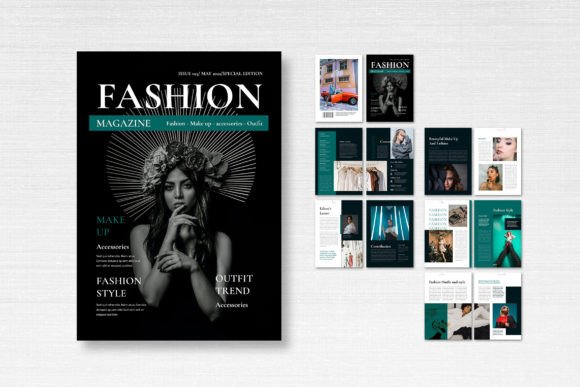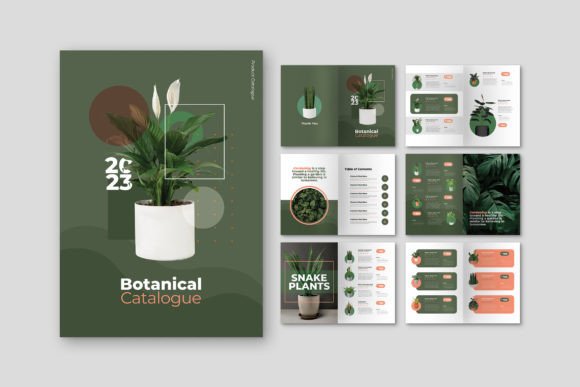
Modern Catalog Product Template for Professional Designs
Imagine opening a beautifully designed catalog where every page feels intentional, where product images sit perfectly aligned with clean typography, and where the overall presentation makes you trust the brand instantly. That level of polish often comes down to having the right design foundation, and a well-crafted catalog product template delivers exactly that. Whether you run a small boutique, manage an e-commerce store, or create marketing materials for clients, the difference between an amateur layout and a professional one can shape how customers perceive your entire business.
Why a Quality Catalog Template Matters for Your Business
Let's be honest about something most business owners discover the hard way: building a catalog from scratch eats up far more time and money than anyone expects. You're juggling page layouts, bleed settings, font licensing, color modes, and file compatibility—all before you even start placing your actual product content. A thoughtfully designed catalog product template removes that friction entirely.
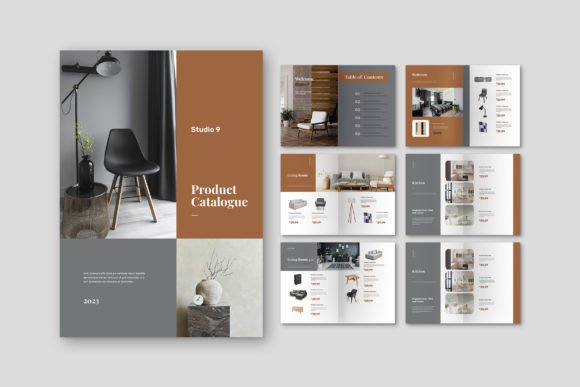
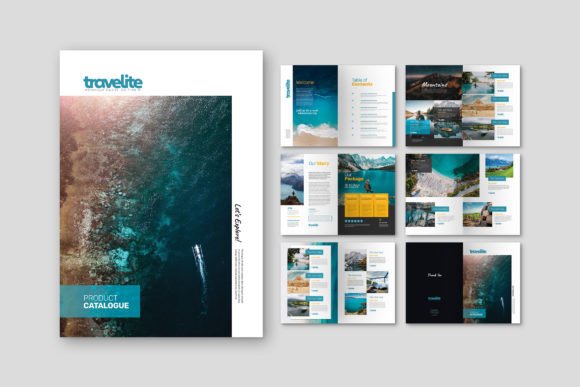
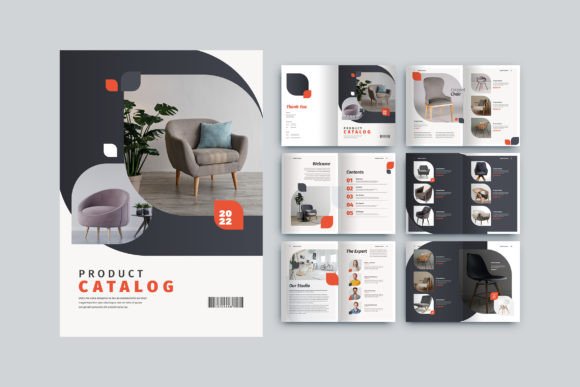
This particular template comes formatted at 21cm x 29.7cm, which is standard A4 size, making it compatible with most printing services worldwide without any resizing headaches. It's built in Adobe InDesign with both .indd and .idml files included, so whether you're working on the latest Creative Cloud version or an older release, you can open and edit the files without compatibility issues. The CMYK color format and 300 DPI resolution mean everything is print-ready from the moment you start customizing, and the 3mm bleed ensures your designs extend cleanly to the edges without white borders showing up after trimming.
What really stands out here is the attention to organization. The layers are neatly structured, which might sound like a minor detail until you've spent thirty minutes hunting through a tangled file trying to change a single text box. Clean layer organization saves real working hours, especially when you're collaborating with a team or handing files off to a printer.
Practical Applications Across Industries
A versatile catalog template like this one adapts to an impressive range of projects. Retail businesses use catalogs to showcase seasonal collections, new arrivals, or clearance items in a format that feels curated rather than cluttered. Furniture stores, clothing brands, cosmetics companies, and food producers all rely on catalog layouts to present their offerings in a way that encourages browsing and buying.
Beyond traditional retail, the template works beautifully for service-based businesses too. A photography studio might use it to display portfolio packages and pricing. A wedding planner could create a services guide that walks couples through available options. Interior designers, architects, and contractors frequently need polished presentation materials that communicate professionalism before a single conversation happens.
Here are some specific ways people use catalog product templates in their daily work:
- Product launches – Present new items with dedicated pages that highlight features, dimensions, and pricing in a structured layout.
- Trade show materials – Hand potential partners or distributors a physical catalog that reinforces your brand identity.
- Client presentations – Share a polished PDF version that looks just as impressive on screen as it does in print.
- Wholesale guides – Provide retailers with organized product information they can reference when placing orders.
- Seasonal promotions – Create holiday gift guides or summer collections that drive customer interest.
- Editorial layouts – Publish lookbooks or brand stories that combine imagery with narrative text.
Content creators and bloggers have also found creative ways to repurpose catalog layouts. A food blogger might design a recipe collection. A craft entrepreneur could build a pattern or supply catalog. The structured grid system inherent in good catalog design actually makes it easier to present information clearly, regardless of the subject matter.
Design Details That Save Time and Protect Quality
One feature worth emphasizing is the inclusion of free fonts with the template. Font licensing can be surprisingly complicated, especially for commercial use. Many designers have unknowingly used fonts in client work that required expensive commercial licenses, creating legal and financial headaches down the road. When a template bundles fonts that are cleared for use, it eliminates that concern entirely.
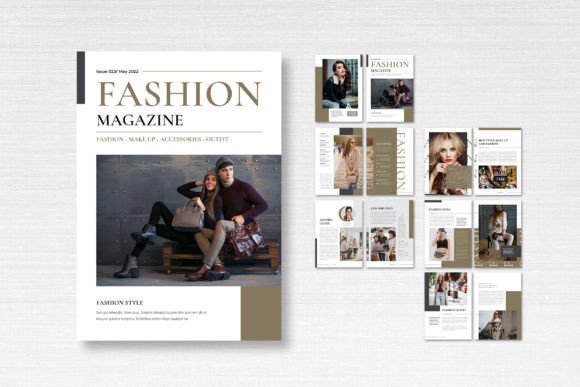
The twelve custom pages included in this template give you enough flexibility to create a substantial publication without feeling overwhelming. You're not staring at fifty blank pages wondering where to start. Instead, you have a manageable set of layouts that you can duplicate, rearrange, or remove based on your specific content needs. Each page serves a purpose, whether it's a full-bleed image spread, a grid of product thumbnails, or a text-heavy specifications page.
Working in InDesign also means you have access to master pages, paragraph styles, and character styles that make maintaining visual consistency across your entire catalog straightforward. Change a heading style once on the master page, and it updates everywhere. That kind of systematic control is exactly what separates a cohesive publication from a collection of individually designed pages that don't quite fit together.
The smart layer structure deserves special mention for anyone who has ever inherited a design file where everything lived on a single layer. Properly organized layers let you isolate elements, lock backgrounds while editing text, and toggle visibility to compare design variations. It's the kind of behind-the-scenes infrastructure that makes the editing process genuinely enjoyable rather than frustrating.
Matching Your Catalog to Your Brand Identity
A template provides the framework, but the real magic happens when you infuse it with your own brand personality. The images you choose, the color palette you apply, and the tone of your copywriting all work together to create something that feels uniquely yours rather than generic.
Start by gathering your brand assets before opening the file. Having your logo files, brand colors (in CMYK values for print), approved photography, and product descriptions ready means you can move through the customization process efficiently. There's nothing worse than pausing mid-design to hunt for a hex code or re-export a logo at the right resolution.
Think carefully about how your product photography interacts with the layout. High-resolution images at 300 DPI will reproduce crisply in print, but they also need to be composed in a way that works with the template's grid. A product shot with generous negative space around it gives you flexibility in cropping, while a tightly framed image might only work at specific dimensions.
Typography choices within the template also influence how your brand comes across. If your existing brand uses a modern sans serif for headings and a clean serif for body text, you'll want to maintain that hierarchy in your catalog. Consistency in typography across all your touchpoints—website, social media, packaging, and printed materials—builds recognition over time. Customers start associating those visual patterns with your business, which is the foundation of strong brand identity.
Getting the Most from Your Investment
The real value of a professional catalog product template extends beyond the first project. Because the file is fully editable, you can create variations for different seasons, product lines, or audiences without starting from zero each time. Duplicate the file, swap out the content, adjust a few design elements, and you have a fresh catalog that still maintains your established visual language.
For small business owners watching their budget, this approach makes professional design accessible without hiring a designer for every single project. You still get the benefit of a professionally structured layout while controlling the content and customization yourself. And when you do work with a designer for other projects, handing them an organized InDesign file rather than a collection of mismatched assets makes their job easier and your collaboration more productive.
Before sending anything to print, always request a physical proof. Screen colors and printed colors rarely match perfectly, and a proof lets you catch any issues with image resolution, text alignment, or color accuracy before committing to a full print run. It's a small extra step that prevents costly reprints and disappointment.
Whether you're creating your first product catalog or your fiftieth, starting with a solid template means you're building on proven design principles rather than reinventing the wheel. The structure is already working for you—your job is simply to make it yours.