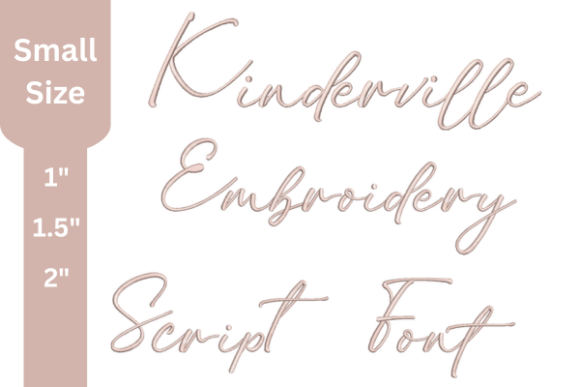
Kinderville Script Embroidery Font: The Perfect Stitch for Your Brand
There’s a certain charm to embroidered text that digital graphics just can’t replicate. It carries a sense of care, tradition, and tangible quality. Whether it’s a monogram on a baby blanket, a name on a chef’s apron, or a logo on a tote bag, that stitched look instantly elevates a project from simple to special. For crafters and small business owners, achieving that professional, machine-made finish is now more accessible than ever. This is where a specialized tool like the Kinderville Script Embroidery Font comes into play, offering a bridge between your creative vision and the perfect embroidered result.
A Typeface Tailored for Thread, Not Pixels
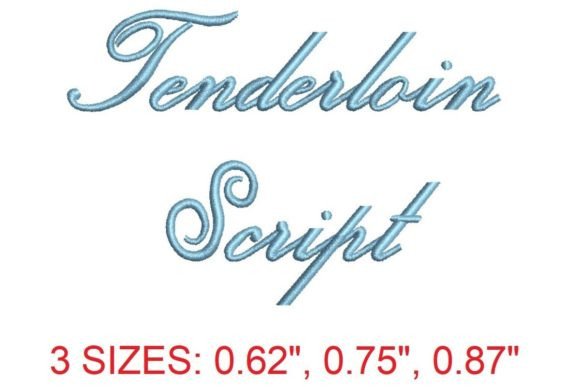
It's crucial to understand what makes a font like Kinderville different from the ones you use in a word processor. This isn't a graphic or keyboard font you'll find in your design software's dropdown menu. It’s a professionally digitized file specifically engineered for the unique demands of machine embroidery. Every curve, swash, and connection in the letterforms has been meticulously crafted to translate into smooth, clean stitches. The digitization process considers how thread behaves—ensuring proper underlay stitches for stability, managing pull compensation, and creating a path that your machine can follow without bunching or breaking. The result is a script font that maintains its elegant, flowing character while being robust enough for consistent stitching across various fabrics, from delicate cotton to sturdy canvas.
More Than Just Monograms: Real-World Applications
While monograms are a classic use, the true value of a versatile embroidery font lies in its broad application. Think about the branding needs of a small business. A boutique bakery could use this script to embroider its name on staff aprons, creating a cohesive and professional look. A children’s clothing brand might personalize items with a child’s name, adding immense perceived value and a personal touch that customers love. For entrepreneurs selling on platforms like Etsy, offering customization with a high-quality font like Kinderville can become a signature service.
- Brand Identity: Apply it to merchandise like hats, polos, and tote bags for a tactile brand experience.
- Packaging & Labels: Embroider a logo onto drawstring bags or fabric tags for a premium, finished product.
- Gifting & Personalization: Create bespoke gifts for weddings, baby showers, or housewarmings that feel truly handmade.
- Home Décor: Add elegant monograms to pillows, blankets, and towels for a custom interior design element.
- Custom Apparel: From team uniforms to personalized denim jackets, the applications for custom apparel are endless.
Choosing and Pairing Your Embroidery Font
Selecting the right font style is a foundational design decision. The Kinderville script style conveys warmth, elegance, and a personal touch. It’s particularly well-suited for projects that aim to feel approachable, artisanal, or celebratory. However, the best designs often involve thoughtful font pairing. For instance, you might combine the flowing script of Kinderville with a simple, sans-serif font for additional text like a phone number or website. This creates a visual hierarchy and ensures readability, especially for smaller embroidered details. Always test your combinations. Many embroidery software programs allow you to preview your text layout before you start stitching. Pay close attention to letter spacing and the overall balance of the design on your chosen fabric.
Practical Considerations for a Flawless Finish
Achieving that perfect embroidered look goes beyond just choosing a nice font. First, always ensure you have the right hardware and software. This font file is designed for an embroidery machine and compatible software—using it as a standard graphic font won't work. Second, consider the fabric. A dense, stretchy knit will behave differently than a tightly woven linen. You may need to adjust the stabilizer or tension settings on your machine. The font’s digitization is optimized for good performance, but fabric testing is a non-negotiable step in professional work. Finally, review the licensing for any commercial font. Understanding the terms ensures you can confidently use it for client projects and products for sale, protecting both your business and the font creator's work.
In the end, a tool like the Kinderville Script Embroidery Font is more than just a set of letters. It’s a design asset that empowers you to add a layer of professionalism and personalization to your work. It helps build visual consistency across your brand’s physical products, strengthens brand recognition through a unique tactile element, and engages your audience on a more personal level. Whether you’re building a product line or simply creating heartfelt gifts, having the right specialized font in your toolkit makes all the difference in turning a good idea into a beautifully executed reality.